


WildNet - Kevin Caster

Carr Lodge Nature Reserve
Location
( nr junction 3 M18, south edge of Doncaster)
OS Map Reference
SK 57898 99698View on What3Words

Know before you go
Dogs
When to visit
Opening times
Open at all times. We recommend a visit of half a day which is easy to combine with Potteric Carr or Parson’s CarrBest time to visit
March to June; September to NovemberAbout the reserve
Watch the birdlife flooding in
As well as being part of an important network of satellite reserves around Potteric Carr, Carr Lodge has plenty to offer visitors in its own right.
Its wet grassland fields hold many nesting birds and host visits from other species that pop in from next door to feed. This is a dynamic reserve, which begins to flood with very shallow water between November and January, which can last into May or June. This is an excellent place for overwintering ducks and geese, and for ground-nesting birds in the spring, such as lapwing and sometimes redshank, so access is mostly around the perimeter. Find the viewing screen in the small wood by junction 3 of the M18 and scan the floodwater in winter and spring to pick out different species.
There’s a high population of great crested newts in the ponds, and if you’re very lucky you might catch a glimpse of a grass snake. Around the ponds, grazing cattle help to provide varied conditions for different plants including stoneworts, fen pondweed, and whorled water milfoil. There’s also a great variety of dragonflies.
Expect the unexpected
Carr Lodge is a relatively new Yorkshire Wildlife Trust site, managed as a nature reserve as mitigation for a housing estate being developed. Many of the species that have been found at Potteric Carr will also appear here, which means you can expect a great diversity of bird and insect life, especially dragonflies and damselflies - you never know exactly what might turn up.
This is one of only three places in Yorkshire where the nocturnal and very rare Crucifix Ground beetle has been recorded. It’s around 8mm in length, black with red spots, and rather bristly.
The site is owned by the Land Trust and is managed by Yorkshire Wildlife Trust.
Accessibility and facilities
Not currently accessible for wheelchairs or buggies.
Species
Contact us
Seasonal Highlights
Spring: Lapwing, Redshank, Great crested newt, Grass snake
Summer: Common darter dragonfly, Meadow brown butterfly, Essex skipper, Speckled wood
Autumn: Flocks of starlings, Common sandpiper, Green sandpiper
Winter: Redwing, Fieldfare, Pink-footed goose, Wintering ducks
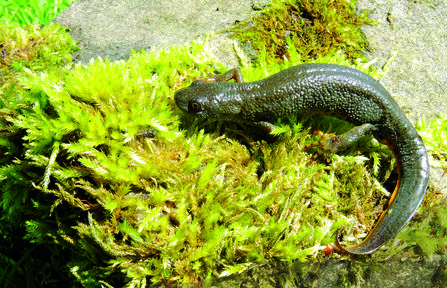
Mike Richardson (C)
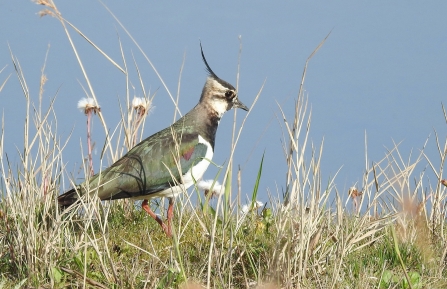
Lapwing © Richard Scott 2019

Spotted Redshank © Richard Scott 2020
Magical Wildlife Moment
Enjoy the huge number of overwintering birds on the flooded fields - how many kinds can you spot?

The autumn colours were even more beautiful when the sun came out
Photo Credit - Telling our Story Volunteer, Sara


