How Nature, community and purpose are transforming lives through Action Asylum

How Nature, community and purpose are transforming lives through Action Asylum

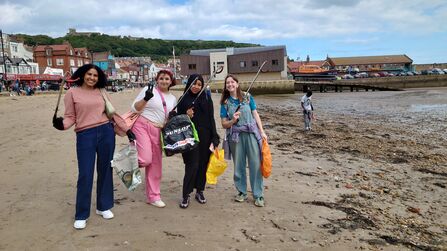
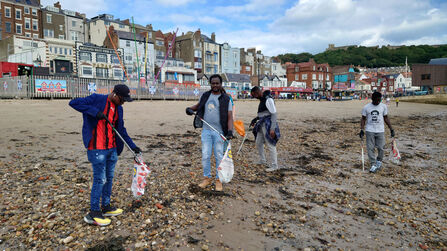
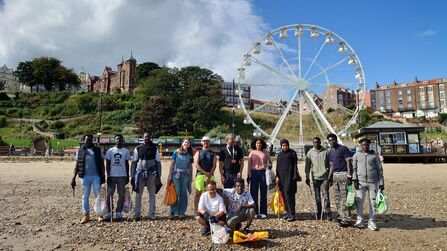
Action Asylum Leeds RETAS Scarborough Beach Clean - credit Jo Rawson

Action Asylum is an innovative new three-year partnership project involving nine Wildlife Trusts and refugee partners across 10 cities, giving people the opportunity to connect with nature, meet new people, and take part in something meaningful. The project demonstrates how environmental volunteering can improve mental wellbeing while helping people feel more connected to their communities and the natural world.

“We all know that getting out in nature is vital for our health and wellbeing, and it’s easy to take this for granted working in nature” reflects Jo Rawson, Wilder Communities Manager for YWT. “Nature has always been my ‘go to’ place for as long as I can remember it’s where I feel that I truly belong, it’s where I go to recharge, to destress and to reflect, and I am most definitely happiest surrounded by nature.” 

“Through delivering our Action Asylum project I’ve been reminded of just how important access to nature is for people’s wellbeing and how isolating it must feel to not have a place where you can connect with the natural world. This is the reality for many people seeking asylum.” 

Action Asylum is an innovative new three-year partnership project involving nine Wildlife Trusts and refugee partners across 10 cities. In Yorkshire we have been working with the Task Force Trust and Refugee Education Training Advice Service (RETAS) in Leeds to support asylum seekers to build skills, confidence and real-world experience in the conservation sector through hands-on activities, volunteering and a skills exchange programme. 

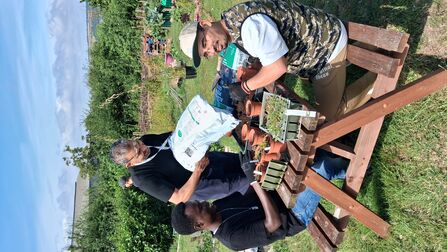
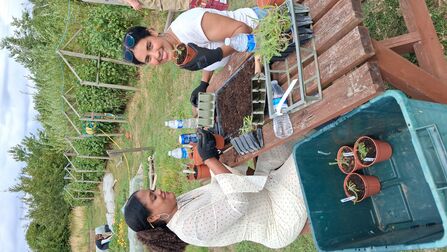
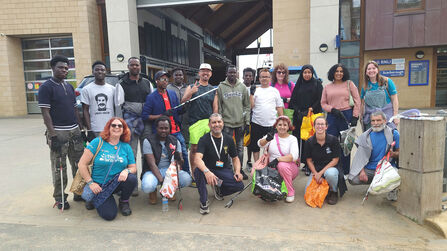
The project got off to an incredible start on a sunny day in July as we welcomed 16 volunteers from Leeds RETAS to Stirley where they joined our staff and volunteers to for a day of environmental volunteering. Participants enjoyed a tour of the garden where they discovered local wildlife and learnt about nature friendly gardening. 

A large group of volunteers pose in a community garden beside a colourful flower bed. Raised growing plots and vegetable beds surround the group, with rolling countryside and distant hills visible in the background under a partly cloudy sky. The volunteers are standing and kneeling on the grass during a gardening session on a sunny day.

Action Asylum Leeds RETAS Stirley Gardening - Credit: Jo Rawson

‘The first thing that struck me was the pure joy on everyone’s faces as the stepped off the minibus. Everyone was in awe at what they saw around them, and we gave them a warm welcome, a warm drink and time to take it all in. They were fascinated by the species we saw and lots of comparisons were made with wildlife and livestock back in their home countries’, said Jo. 

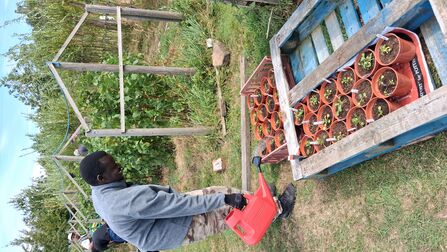
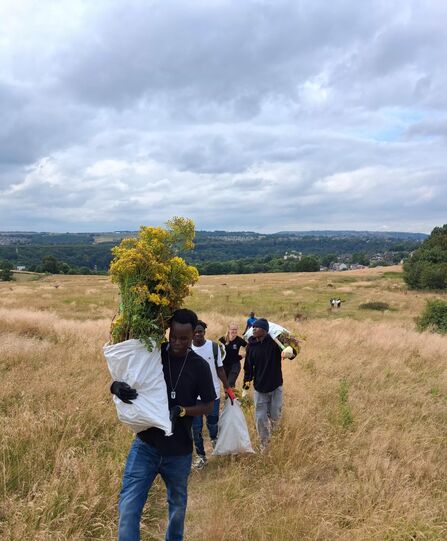
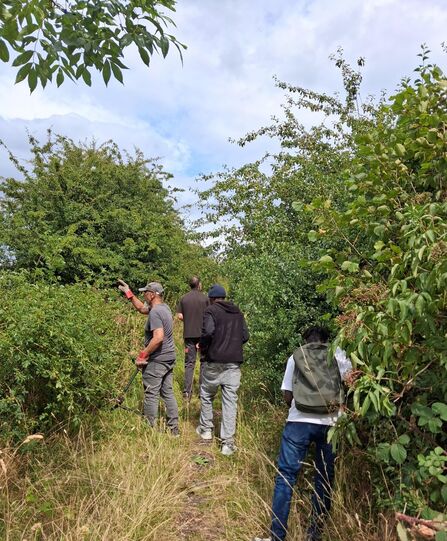
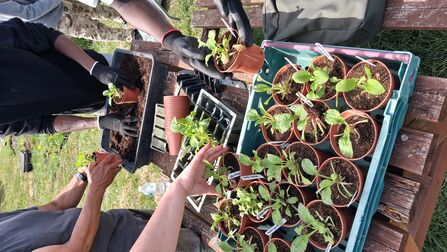
During the day the volunteers potted up 400 wildflower plug plants which are being grown on at Stirley until ready to be planted out in community gardens across Bradford, Huddersfield, Doncaster and Hull as part of our #TeamWilder work, and removed ragwort from 7 fields to help keep our cattle and sheep healthy, cleared 50m of path of brambles, roses and blackthorn to make it safe to walk through, and watered the vegetable garden, helping to provide food for local foodbanks.  

It wasn’t just the time in nature that made a difference to participants wellbeing – it was working alongside others, connecting with people including the garden volunteers at Stirley with whom they shared stories and experiences. Participants ticked off all of the Five Ways to Wellbeing on the day by connecting, being active, taking notice of nature around them, learning, and giving. All involved left feeling elated from spending the day emersed in nature, surrounded by beautiful scenery with great company and making a real difference for the environment and one gentleman left convinced that gardening in nature must be the key to staying young and healthy!

Volunteers outdoors
Volunteers outdoors
Volunteers outdoors

Our second event with Leeds RETAS in September provided more evidence of the importance of time in nature for wellbeing. This time we hit the coast for a beach clean in Scarborough. Time spent in blue space is proven to reduce stress, even more so for time spent by the sea as the calming effect of the waves helps lower cortisol levels, and quiets the mind - reducing stress and anxiety, and salty air is rich in negative ions, which can improve respiratory function and alleviate symptoms of asthma and allergies. 

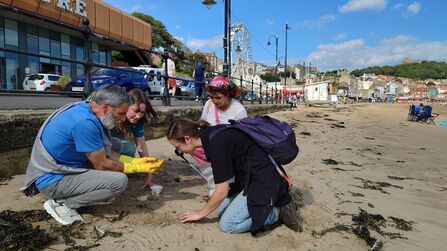
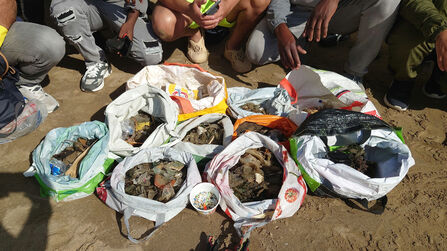
These benefits highlight the importance of coastal environments in promoting overall well-being and health and this is even greater when combined with other Five Ways to Wellbeing such as connecting with people, being active and participating in acts of kindness such as litter picking. 16 volunteers worked hard to collect 9 bags of glass and plastic along with hundreds of tiny plastic nurdles. 

It was inspiring to see so many people come together with a shared commitment to caring for the environment. The volunteers were eager to learn about the impact of nurdle pollution and were pleased to play a part in preventing further contamination of our seas and beaches. Many commented that activities like this help reduce isolation and loneliness while providing opportunities to learn new skills, build confidence, and connect with others in the community.
Ahmed, Action Asylum project lead from Leeds RETAS
hand holding a tub of nurdles found on a beach clean

“Finding the nurdles was something many of the volunteers found really rewarding. Once they got their eyes trained on spotting them there was no stopping them! A number of volunteers told us afterwards that they found it interesting to learn about the impact of the nurdles, and they were very pleased to have made a difference by removing them from the beach at Scarborough”. Jo Rawson, Wilder Communities Manager, Yorkshire Wildlife Trust. 

It was clear that the afternoon by the sea, making connections and making a positive contribution to the environment made a big difference to the volunteers, and we received so many words of thanks from passers-by.

Ahmed, Action Asylum project lead from Leeds RETAS commented, "It has been inspiring to see the positive effect these activities have had on action asylum volunteers. The beach clean-up in Scarborough and the wildlife gardening session at Stirley Nature Reserve gave people the opportunity to connect with nature, meet new people, and take part in something meaningful.

Many participants left feeling more relaxed, confident, and motivated. These experiences show how environmental volunteering can improve mental wellbeing while helping people feel more connected to their communities and the natural world".

Action Asylum is made possible thanks to funding from the Climate Action Fund.

If you want to hear more from Action Asylum, listen to the final episode of Season 3's Wild about Wellbeing podcast from The Wildlife Trusts. Dom and Rob are joined by Action Asylum, to talk about their incredible projects and the impact they have on wellbeing, sense of community, nature restoration, and sense of purpose and peace.