Please note that the toilets and Visitors Centre at Barlow Common are permanently closed.

Barlow Common Nature Reserve
Location
OS Map Reference
SE 633 285View on What3Words

Know before you go
Dogs
When to visit
Opening times
Open dawn till dusk.Best time to visit
March to September, but it is a year round site for ease of access to green space and nature.About the reserve
From the very first wooden waymarker you encounter - featuring a cute stoat - Barlow Common invites visitors of all ages to step out onto its well-marked trails and discover the wildlife that lives in the common's varied habitats.
Take a trail and wander round the woods or wonder at the wildflower meadows and wetland wildlife.
Summer lovin'
Barlow Common's wildlife and beauty peak between May and July, when the trees are in full leaf and the wildflowers are in bloom, including orchids, viper's bugloss, evening primrose, lady's bedstraw, wild basil and common centaury. In the grasslands, listen for the yaffling call of green woodpeckers - maybe you'll see one too. This is also the time to look for grass snakes basking in the sun and butterflies visiting the flowers.
In spring, intrepid pond dippers might discover newts and dragonfly larvae, and see little grebes on the lakes.
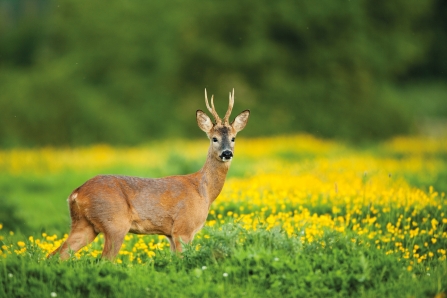
Come winter the teasels, flowering now ended for the year, provide seeds for incoming flocks of finches. Sharp-eyed visitors may also glimpse a timid roe deer or fox taking a wander.
Environmental designation
Forest School
Stay and play sessions led by Naturewood Forest Club run on Tuesdays and Fridays. Visit their website for more information.
Seasonal highlights
- Spring: Birds - Grey heron; Kingfisher; Reed bunting
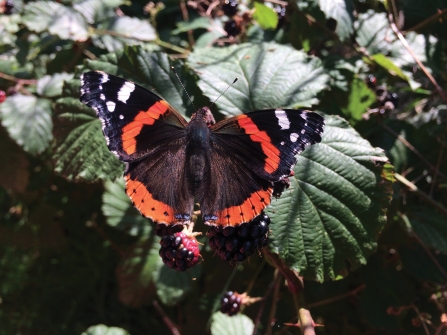
- Summer: Plants - Common spotted orchid; Invertebrates - Red admiral; Birds - Cuckoo; Reptile - Grass snake
- Autumn: Mammals - Fox; Birds - Great spotted woodpecker
- Winter: Mammals - Roe deer; Birds - Long-tailed tit; Siskin; Swan
History
Whilst warblers, woodpeckers and wall brown butterflies now call Barlow Common home, the site has a chequered past.
Up until the early 1900s local people grazed cattle, pigs and sheep on the common, after which the site was purchased by a local rail company who used it as a ballast tip.
Later, in 1983, British Rail reclaimed the land and capped the tip using local soils.
Selby District Council then acquired the site in 1986 and managed it until March 2013, when the Trust took over its care. Now native woodland is naturally regenerating and, in time, this will become an even better home for wildlife.
Directions
Public transport
Regular bus services run close to Barlow Common - the entrance to the nature reserve is about 50 metres from the nearest bus stop. The nearest train station is in Selby.
By car
Barlow Common is easily reached from the A1041 Selby to Snaith road by taking the southern-most turning to Barlow village. After less than a mile the road to the nature reserve will be on the left.

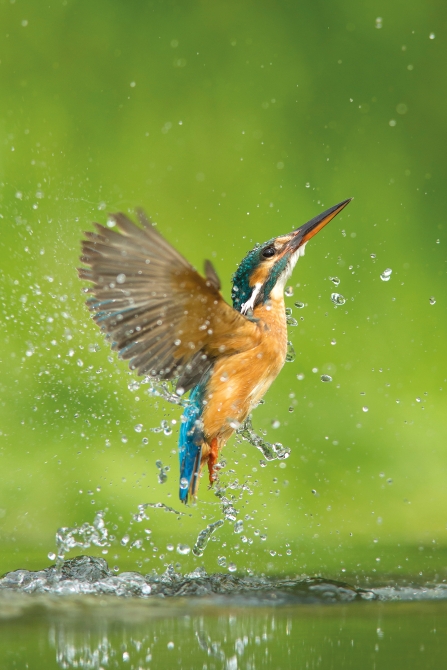
Kingfisher - Jamie Hall
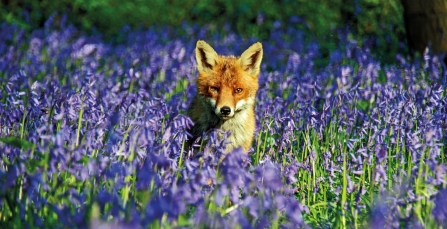
(c) Lee Roberts

Cinnabar moth caterpillar ©Andrew Hankinson
Magic Wildlife Moment
Masses of stripy yellow-and-black cinnabar moth caterpillars feeding on ragwort in summer

The autumn colours were even more beautiful when the sun came out
Photo Credit - Telling our Story Volunteer, Sara


