
Kilnsea Wetlands Nature Reserve
Location
OS Map Reference
TA 405 167View on What3Words

Know before you go
Dogs
When to visit
Opening times
Open at all times.Best time to visit
AutumnAbout the reserve
A refuge for waders
Neatly sandwiched between the coast and Humber Estuary, Kilnsea Wetlands was developed by the Environment Agency as a replacement refuge for wading birds as the Holderness coastline rapidly erodes and habitat is lost.
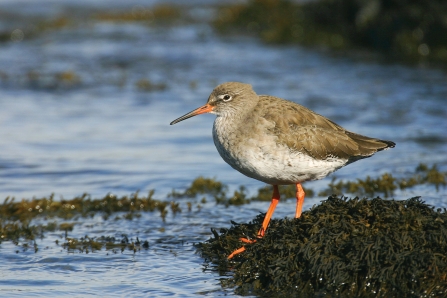
It provides a place to roost and feed for waders that leave the Humber mudflats at high tide in autumn and winter, including redshank, golden and grey plovers, knot, black- and bar-tailed godwits and dunlin, and passage migrants like curlew sandpiper, greenshank and little stint.
Waders are not the only birds you'll find here. Plentiful ducks, gulls and geese join the waders on the wetlands, along with little egrets and sometimes great white egrets and spoonbills, while pipits and wagtails are among the smaller birds around the water's edge. Anything could drop in, especially in spring and autumn. Listening Dish Hedge - named after the nearby concrete 'sound mirror' built in the First World War - attracts scarce migrants like barred warbler, and the same area is brilliant for short-eared owls. Raptors include marsh harrier, occasional hen harrier, merlin and peregrine.
Top Tip: A visit in autumn or winter will give you a chance to see large numbers of roosting waders which this site has been specifically designed for. Check the tides to coincide your visit with high tide and you’re likely to see greater numbers.
Accessibility and facilities
The grass paths can get muddy in winter but are flat and accessible.
People using wheelchairs, powerchairs and mobility equipment can find more information about the reserve here, thanks to Accessible Nature.
There's a hide and viewing screens but no facilities - there is a pub and toilets in Kilnsea. Combine with a visit to Spurn where you'll also find facilities in the Discovery Centre.
Habitat
Contact us
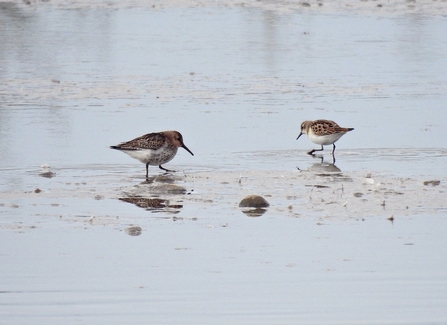
Dunlin and Little Stint © Richard Scott 2020
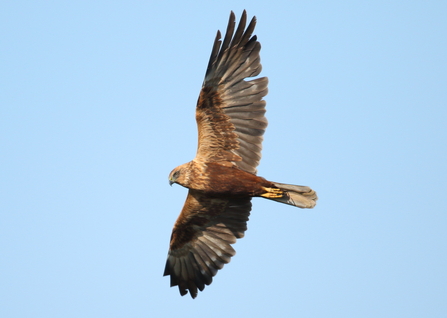
Marsh Harrier © Allen Holmes 2020
Ure going to love the view
Featuring freshwater and saline pools with islands and spits, and wet grassland with seasonal scrapes, Kilnsea Wetlands has great potential to attract more species as these habitats develop, perhaps encouraging birds like oystercatchers, ringed plovers and lapwings to breed.
The reserve is managed sustainably using local livestock, and as the grassland becomes more established, it should attract more farmland birds, including corn bunting and tree sparrow. Wildflowers will attract a variety of insects, including dragonflies. Salt-tolerant plant species such as spiral tassel weed may well find a home here too.
How to get here
Arriving by public transport
The Spurn Explorer bus from Hull stops in Kilnsea.
Arriving by car
Approach Kilnsea on Easington Road. The car park is on your left just after you go over the left hand bend which rises over Long Bank and before you reach Kilnsea village.

(c) James Hardisty (Welcome to Yorkshire)
Magic Wildlife Moment
Spectacular wader roosts at high tide in autumn and winter.

The autumn colours were even more beautiful when the sun came out
Photo Credit - Telling our Story Volunteer, Sara


