

Lower Esk Catchment - Chris Watt
Better Estuaries & Coastal Habitats (BEACH Esk)
Where is the River Esk?
The River Esk flows for 28 miles through the North York Moors National Park, rising in Westerdale before reaching Whitby, where it enters the North Sea. Along its course, the river and its tributaries pass through a variety of landscapes, including dramatic moorland, ancient woodland, and gently rolling farmland, before reaching the Esk Estuary and the coast. The watercourse supports a rich diversity of wildlife, from Atlantic salmon and sea trout, to the critically endangered freshwater pearl mussel.
The BEACH Esk project focuses on the Lower Esk Catchment, its tributaries around Whitby, the Esk Estuary, and the surrounding coastline.
BEACH ESK Finn Varney video (https://www.youtube.com/watch?v=c4vVek6HI_w)
BEACH Esk - an ambitious source-to-sea landscape recovery project, which seeks to improve water quality and enrich biodiversity. This story is told in the voice of the River Esk. (c) Finn Varney
Our key aims
A landscape scale project, funded by the Environment Agency, and focussed on improving water quality and habitat in the Lower Esk Catchment and coastal area.
The project’s three elements are:
- Estuarine Enhancement: Led by Groundwork Northeast and Cumbria, this element explores opportunities to create additional salt marsh habitat within the Esk estuary, while retrofitting a range of intertidal features such as living seawalls, artificial rock pools (e.g., vertipools), and fish refuges. These habitats provide vital homes for marine life, including crabs, periwinkles, and seaweeds.
- Catchment diffuse pollution: Led by Yorkshire Wildlife Trust, this element focuses on researching and identifying pollution sources and pathways within tributaries. It involves engaging with stakeholders and partners, and prioritising key locations for the delivery of a targeted capital works programme.
- Stakeholder engagement: Also led by Yorkshire Wildlife Trust, this element aims to improve practices within the estuary by working with businesses, the local community, and visitors. It includes developing best practice codes of conduct to ensure a consistent approach and to address known issues within Whitby harbour.
How can you help?
Volunteering
Volunteering is at the heart of our conservation work and a great opportunity to meet new people, learn new skills and help create vital new habitats. More information is available below:
Days are run regularly throughout the year from 10:30 am till 3pm
We typically do activities like tree plansting and hedge-laying over winter and bird, bug and plant surveys occur over summer and spring.
For more information or enquiries see the contact details on the back
Biscuits will also be provided!
Members of the Public
Actions by everyone have an effect on our watercourses. What we do at home and by the water can directly impact rivers, the harbour and the sea. By making small changes in how we dispose of waste, wash our clothes or enjoy activities like crabbing, we can all help keep Whitby’s waters cleaner and healthier for wildlife and people.
Fats, Oils & Greases (FOGs)
Never pour fats, oils or grease down the sink. They can cause blockages, create “fatbergs,” and pollute our rivers and seas. This harms wildlife and damages habitats. See our infographic for the correct way to dispose of FOGs.
Only Flush the 3Ps
Remember: only Pee, Poo and Paper should go down the toilet. All other items belong in the bin to prevent blockages and pollution.
Microfibres
Washing clothes releases tiny fibres into our drains, which can end up in the marine food chain. You can help by:
Buying fewer clothes and keeping them longer
Washing clothes less often
Using a microfibre catcher in your washing machine
Check our infographic for fabrics that release the most microfibres.
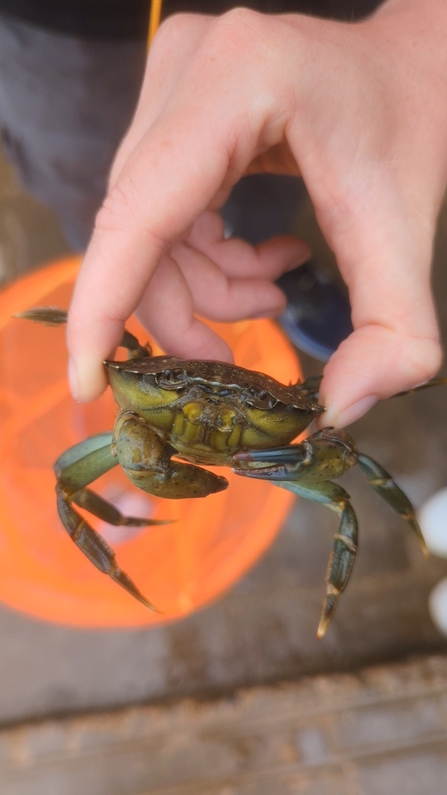
Responsible Crab Lining
Please follow best practice when crabbing to keep Whitby's harbour safe for wildlife and people. See our video below for full guidance.
Boat Owners
Whitby’s harbour and estuary are under threat from everyday pollution, and local boat owners play a key role in protecting them. Small discharges from bilge water, refuelling, engine leaks and antifouling paints may seem minor, but together they cause serious harm. Just one litre of oil can pollute a million litres of water, endangering fish, birds, plants and the unique wildlife of the Esk Estuary and wider marine environment.
By taking simple steps, such as using safer antifoulants, properly storing and disposing of fuel and oil, containing spills responsibly, and preventing waste, such as bilge water, from reaching drains or the estuary, boat owners can make a real difference.
With the support of Whitby’s boating community, the BEACH Esk project is working to keep the estuary clean, healthy and thriving for people, wildlife and the future of the town.
Land Owners & Managers
If you own or manage land adjacent in the Lower Esk Catchment and would like to be involved in the project, contact esk.project@ywt.org.uk for more information.
If you are a landowner or part of a local community group within the lower Esk we also offer a range of services that can support your land management goals. These include:
Fencing off watercourse and installing solar drinking troughs
Improving farmyard infrastructure and installing rainwater harvesting tanks
Guidance in applying and securing funding grants and scheme agreements for environmental conservation works and farm improvements
Installing traditional fruit orchards for both people and wildlife to use
Connecting you with local farming clusters which provide guidance on changes to legislation, schemes and farming practices
Please get in touch with us with any questions or ideas!
Our Work
We have carried out river walkover surveys across all watercourses in the catchment, covering more than 100 km. These surveys helped us build a detailed picture of the river network, highlighting issues affecting water quality and identifying opportunities for restoration. The most common problems recorded were bankside erosion, livestock trampling riverbanks (known as poaching), and runoff from fields and farmyards.
At Yorkshire Wildlife Trust, our role in this project focuses on working with local farmers and landowners to create environmental features around the lower River Esk that provide valuable habitats and deliver multiple environmental benefits. These features include:
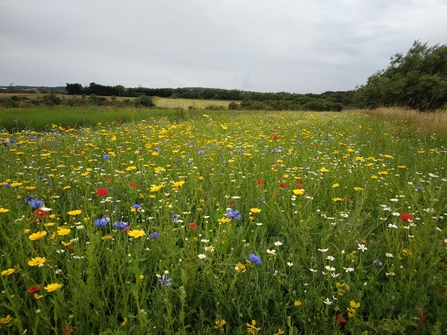
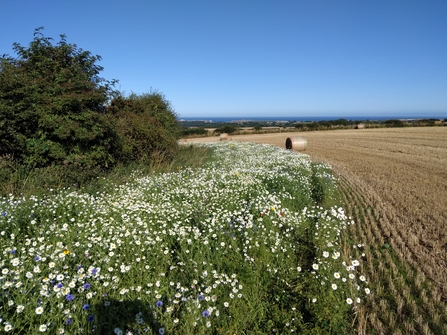
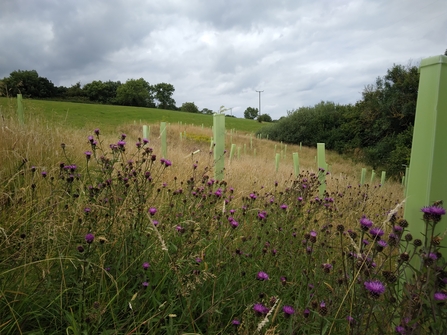
Wildflower meadow and field buffer strips – filters chemicals/sediments as rainwater runs through, valuable food source for pollinators and birds.
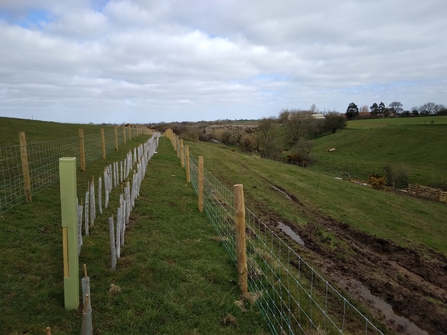
River-side woodland creation – another great filter, stores excess water during flood and slows flow of water reaching river. Great habitat for all wildlife.
Large-scale hedgerow creation – stops soil being lost from fields and filters pollutants, great habitat and food source for birds, pollinators and small mammals.
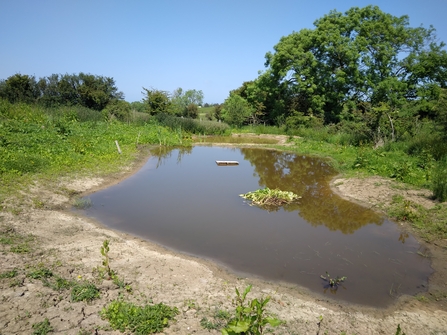
Water and sediment trap ponds – stores rainwater running from fields reducing volume entering the river and filtering out sediment and chemicals. Great for invertebrates like dragonflies.
Leaky dams and flow deflectors – slows the energy of river in high rainfall and reduces impact of flooding downstream. Also acts as filter and provides great habitat for fish and freshwater invertebrates.
What we’ve achieved since 2022

Partners/Funders

Our main funder and acts as co-ordinator between the different organisations involved.

Logo for Groundwork, a triangular shape with the word "GROUNDWORK" in white text inside the left side, and the tagline "CHANGING PLACES CHANGING LIVES" below in green text.

The North York Moors National parks act as both a funder through agri-environment schemes and a community engagement body for the project through their River Esk Connect project (REConnect).

In YWT, the marine team also work heavily on this project, engaging boat uses about safe fuel and sewage storage on board, alongside promoting responsible crab lining during the summer holidays.

Together we work jointly in the Esk and Coastal Streams partnership with many other organisations as well to ensure we are all working together effective in a catchment-based approach
Cate Holborn

