
© David Parkyn
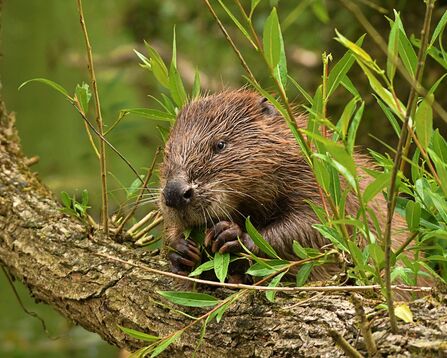
Beavers in the wild
Beaver reintroduction project
Yorkshire Wildlife Trust is working with partners to develop a beaver reintroduction programme which focuses on developing sustainable beaver populations in appropriate catchment areas in Yorkshire. This evidence-led programme will identify suitable beaver habitat, deliver beaver releases and coordinate effective ongoing management of sustainable beaver populations to secure the wide-ranging benefits which beavers can bring to communities whilst responding to, and mitigating risks effectively.
River Derwent Wild Release Licence
Forestry England with support from Yorkshire Wildlife Trust and North York Moors National Park Authority are developing a Wild Release Licence Application for the Yorkshire Derwent Catchment in North and East Yorkshire. This follows the successful Yorkshire Enclosured Beaver Trial at Cropton Forest led Forestry England.
The Wild Release of Beavers requires a licence from Natural England. To secure a Wild Release Licence an evidence-led project plan must be developed with the input of stakeholders to ensure wild living beavers can be released and managed successfully within the catchment in the years ahead. This work is ongoing. For more information, please contact the Beaver Project Team at Yorkshire Wildlife Trust at beavers@ywt.org.uk
Why return beavers to Yorkshire?
Beavers are super ecosystem engineers. They create wetlands that can significantly benefit other wildlife, absorb carbon dioxide, reduce flooding and improve water quality.
Through evidence-led research we know there are suitable areas for beavers to return to in Yorkshire, where they can secure these benefits for people and wildlife once more.

David Parkyn - David Parkyn/ Cornwall Wildlife Trust
How could beavers benefit your area?
- Beavers can help to store more water in the upper reaches of the catchment area, helping with flood alleviation during periods of high rainfall.
- Beavers also help in dry periods and times of drought, where they store water within rivers and the wider water table, benefiting the farmed landscape.
- Beavers can improve water quality by trapping sediment and pollutants in beaver-made wetlands, providing cleaner water in our rivers.
- Beavers are ecosystem engineers, creating dynamic and diverse habitats which benefits a wide-range of species and deliver high biodiversity outcomes.
What are the potential impacts?
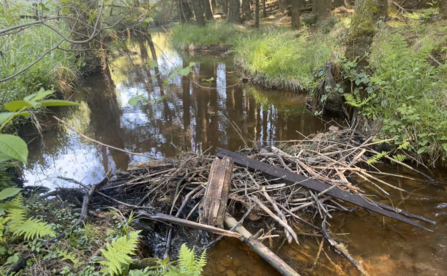
Beavers significantly modify landscapes. As a result beaver activities can result in conflicts with some riparian land use by humans. Such conflicts predominantly result from beavers damming watercourses, burrowing into the banks of water bodies and foraging for food including felling trees.
Given that beavers do not like to move far from water, the majority of their activities take place in the riparian zone (i.e. the area running adjacent to a river or stream). Most foraging activity occurs within 20-40m of the water’s edge with beavers rarely moving more than 60m from water to forage.
Managing the impacts of Beavers
We understand that some local landowners and stakeholders might have concerns about the reintroduction of beavers to their local area. As wild beavers are now present in catchments across the UK, more information on the national beaver management approach and living alongside beavers available here.
It will be necessary in some situations that beavers will need to be managed to mitigate the negative impacts to people. The government has outlined a 5-step approach to beaver management which must be followed:
1. Engaging with beaver management groups, Natural England and other expert organisations to learn about the potential benefits if beavers and approaches to manage or minimise challenges.
2. Making space for beavers to avoid the need for further actions, such as leaving space around a waterway for beavers to use.
3. Taking proactive lawful mitigation and management actions that do not need a licence such as installing tree guards to protect trees or removing a dam that is less than two weeks old.
4. Lower-impact licensed action such as reducing dam height or removing an established dam outside the breeding season.
5. Higher impact licensed actions that only a specifically trained and licensed person can carry out, such as:
a. Modifying or removing a dam, burrow or lodge during the breeding season (April – September)
b. Beaver capture and translocation
c. Lethal control. This should be considered a last resort.

Further information and advice on wild living Beavers
Yorkshire Wildlife Trust can offer advice and guidance regarding wild living beavers and appropriate management approaches.
For enquiries and advice about beavers please contact our Beaver Project Team at Yorkshire Wildlife Trust: beavers@ywt.org.uk
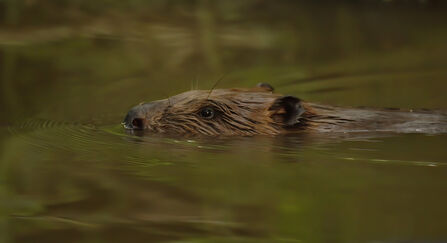
Beaver swimming with its head just above the water © Russell Savory
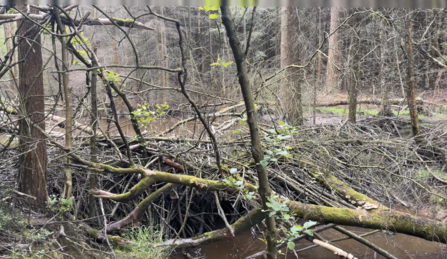
Sam Alexander Photography