Due to ongoing site works, Welwick Saltmarsh will remain closed through 2026 and reopen in early 2027.
The surrounding area around Welwick Saltmarsh nature reserve is currently part of a re-alignment project being conducted by the Environment Agency. This work will enhance the habitats that are currently found at Welwick.

Welwick Saltmarsh Nature Reserve
Location
OS Map Reference
TA 338 191
Know before you go
Dogs
Dogs are allowed on the public footpaths on leads.
When to visit
Opening times
Open at all timesBest time to visit
September to March
About
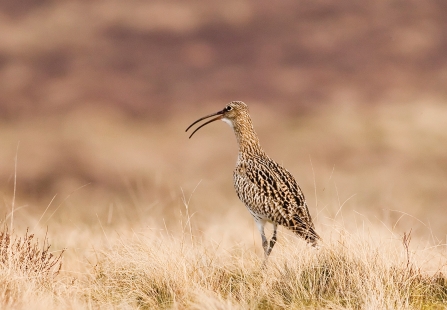
From the floodbank you can enjoy spectacular views across the mouth of the Humber. Thousands of birds use the Humber estuary including large flocks of golden plover which appear bronze against the mudflats in the evening sun. Hundreds of large, curve-billed curlew feed on the edge of the saltmarsh whilst grey plover, knot and dunlin whir past and drop down to feed on the mudflats. Many of these flocks pass right overhead as they transfer to their inland roosting sites as the incoming tide pushes them for the river edge.
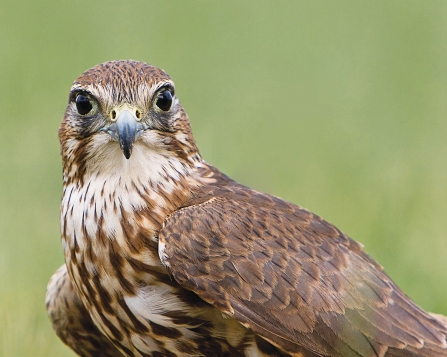
Welwick Saltmarsh is also a fantastic location to view wintering raptors and owls. Short-eared owl, merlin, peregrine, marsh harrier, hen harrier and kestrel are all regularly seen.
Enjoy a winter’s afternoon walk to experience the best views of raptors as they hunt along the Humber and take in the big horizons from Spurn to the Humber Bridge as the sun goes down.
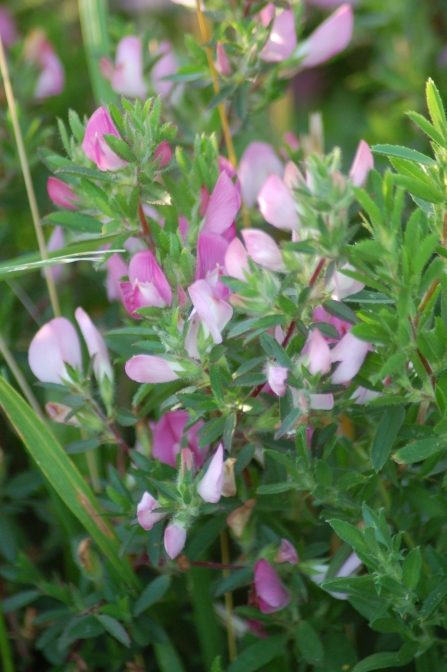
In spring scurvy grass creates hundreds of white tussocks across the marsh and mid-summer sees a real show of purple flowers from sea lavender and sea aster. The saltmarsh also supports sea purslane, sea arrowgrass and cord grass. On the land side of the saltmarsh a small area of relic dune containing two ponds supports common reed, bird’s-foot trefoil, spiny restharrow and the curios non-native spring beauty.
Seasonal highlights
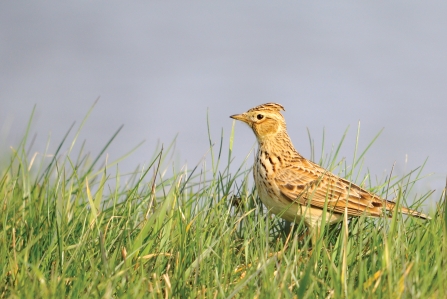
- Spring: Birds - Marsh Harrier; Skylark; Linnet
- Summer: Plants - Scurvy grass; Sea lavender; Sea purslane; Spiny restharrow
- Autumn: Birds - Short-eared owl; Hen harrier; Merlin; Curlew; Dunlin
- Winter: Birds - Barl owl; Peregrine; Golden plover; Knot; Curlew
Directions
Public transport
Nearest bus stop in Welwick village around 2 miles away.
By car
From Welwick village head south down Humber Lane which becomes Row Lane. At the end of the lane take a sharp right and park along Sheep Trod Lane. Walk south down a dust track to the site.
(c) Damian Waters