

Strensall Common Nature Reserve
Location
Strensall
OS Map Reference
SE 761665View on What3Words

Know before you go
Dogs
Dogs on leads on the surrounding paths, but not allowed on the common.
When to visit
Opening times
Open at all timesBest time to visit
March to SeptemberAbout the reserve
Strensall Common is part of a larger area of internationally important lowland heath in the Vale of York. This special environment, featuring wet heath, dry heath, mire, open water, woodland and acid grassland, is home to many insects, birds and reptiles, and over 150 species of plants. In August, ling heather and cross-leave heath turn the heathland purple - quite a sight on a sunny afternoon. Other plants to look out for include marsh cinquefoil, marsh gentian and the carnivorous round-leaved sundew, and, on the drier grassland, the pinky-red flowers of sheep's sorrel and tiny white crosses of heath bedstraw.
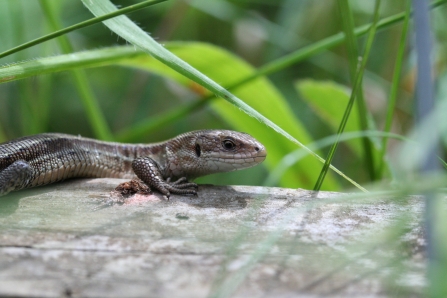
This is one of the best places in the area to see reptiles, specifically common lizards - which you might spot basking on tree stumps or scuttling through undergrowth - as well as adders. Stick to the paths to avoid disturbing these beautiful, zigzag-patterned snakes.
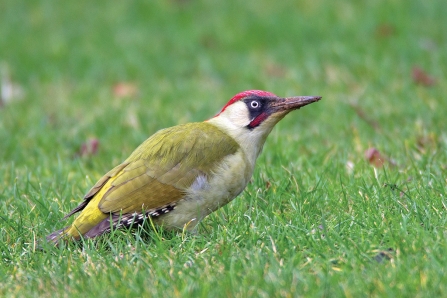
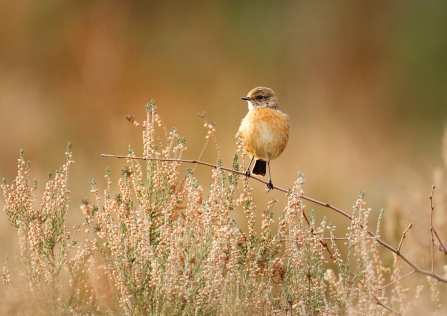
The reserve and wider common are great places to find heathland birds - stonechats, woodlarks, tree pipits, green woodpeckers, cuckoos, and maybe a hobby hunting dragonflies.
Discover the common's uncommon insects
The common has magnificent insect life, including a nationally important population of dark-bordered beauty moths, southern hawker and black darter dragonflies, green and purple hairstreak butterflies, and bog bush-crickets int he rushy grassland. Yorkshire Wildlife Trust manages the reserve by maintaining the open areas of heath for wildlife.
Grazing livestock help to control birch seedlings, and we remove bracken and invasive coniferous species that are not native to heaths in this part of the UK. We also clear out the ponds occasionally to maintain patches of open water.
Accessibility and facilities
The terrain is generally flat but very uneven with tussocky grass and heather and many ditches, furrows or small ponds. In winter these depressions become water logged making walking more difficult.
There are several small kissing gates into the large heathland enclosure north of the railway line which is not wheelchair or pushchair accessible.
There are local shops and pubs in Strensall village about two miles away.
The nearest public toilets are at Monks Cross and Clifton Moor shopping centres about five miles away.
There is mostly a good mobile signal.
Habitat
Environmental designation
Seasonal highlights
- Spring: Reptiles - Common lizard; Birds - Cuckoo; Woodlark; Invertabrates - Four-spotted chaser;
- Summer: Plants - Marsh Gentian; Cross-leaved heath; Invertebrates - Black darter; Birds - Green woodpecker; Hobby
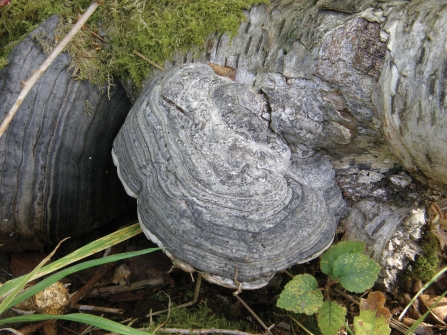
- Autumn: Fungi - Hoof Fungus; Fly agaric; Oyster Fungus; Birds - Siskin
- Winter: Birds -Stonechat; Willow tit; Mammals - Brown hare
Directions
Public transport
A regular bus service from York runs to Strensall.
By car
Folow the A1237 from York into Strensall village, follow the signs for Flaxton. After a mile you cross a cattle grid onto Strensall Common. The nature reserve is to the left. There are various parking areas within the common – a central parking point is by the Common Road level crossing.

The autumn colours were even more beautiful when the sun came out
Photo Credit - Telling our Story Volunteer, Sara


