


Golden sunset, Paull Holme Strays (c) Lewis Outing
Paull Holme Strays Nature Reserve
Location
OS Map Reference
TA 1678 2576View on What3Words

Know before you go
Dogs
When to visit
Opening times
Open at all times.Best time to visit
December to March. For the best chance of witnessing a winter wader spectacle, time your visit a couple of hours before a large incoming tide.About the reserve
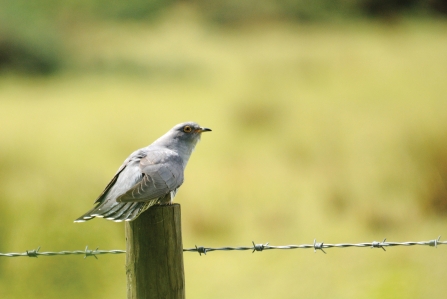
On a quiet spring day, the only sounds you might hear as you cross the reserve are the lonesome call of a cuckoo or the trill of a skylark - but it's a different story on the mudflats later in the year. Thousands of wading birds feed and roost here over the winter. There's a cacophony of calls - curlew, lapwing, redshank, godwits, dunlin, sanderling - and at the turn of the tide the air is filled with a cloud of thousands of golden plovers in a murmuration, moving in unison, their plumage glittering as it catches the winter sunshine.
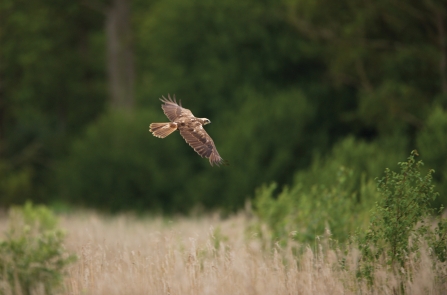
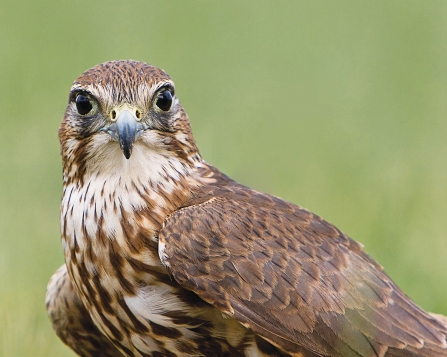
On the saltmarsh, short-eared owls, marsh harriers, merlins and peregrines hunt, swooping silently in search of rodent prey. Soring and summer are quiet and peaceful. The wingbeats of dragonflies and damselflies are audible on the breeze and butterflies bounce through the air, seeking to gorge themselves on knapweed and ragwort on the flood embankment. Flowering sea aster splashes the saltmarsh with vibrant yellow and purple amidst the faded green of sea purslane and saltmarsh grass.
Did you know?
This inter-tidal coastal habitat was created when the Environment Agency breached the sea wall in 2003 as part of a coastal flood realignment scheme.
Photogenic features
To see Paull Holme Strays at its most spectacular a visit during the winter months is a must.
The footpath following the flood bank allows excellent views over the estuary. A pair of old lighthouses established in 1870- Thorgumbald Clough High and Low - are interesting bonus features for photography, and it's worth hanging around for a Humber sunset.
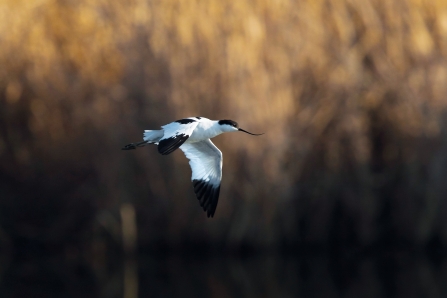
At the end of your walk, the hide is perfect for a nice sit-down and view of avocets in summer and short-eared owl in winter. Don't forget to check the ditches and vegetation for water rails and Cetti's warblers. On the grassland and farmland, watch for brown hares, stoats and roe deer.
Seasonal highlights
- Spring: Birds - Cuckoo; Yellow wagtail; Sedge warbler; Reed warbler
- Summer: Invertebrates - Dragonflies; Birds - Marsh harrier; Spotted redshank; Little stint; Curlew
- Autumn: Birds - Avocet; Green sandpiper; Common sandpiper; Whimbrel
- Winter: Birds - Merlin; Dunlin; Redshank; Bar-tailed godwit; Golden plover
History
Paull Holme Strays was the first major managed realignment scheme on the River Humber and was breached by the Environment Agency in 2003. The site provides approximately 80 ha of inter-tidal habitat to compensate for the loss of saltmarsh and mudflats in the area, and is fronted by the extensive Paull Holme Sands.
Directions
Public transport
Bus service from Hull to Paull village.
By car
From the A1033 follow the signs for Fort Paull and then head south on Thorngumbald Road. Car park available, signposted from the village and Thorngumbald road. The entrance to the car park is on the right just less than a mile after the entrance to Fort Paull.

Golden Plovers © Allen Holmes 2019
Magical Wildlife Moment
Spectacular, swirling flocks of waders

Seal split shot. Credit - Alex Mustard


