

Pulfin Bog Nature Reserve
Location
OS Map Reference
TA 04979 41848View on What3Words

Know before you go
Dogs
No dogs are allowed on the reserve, but dogs are permitted on the adjacent landowners' lakeside foot paths.
When to visit
Opening times
Open at all timesBest time to visit
June to SeptemberAbout the reserve
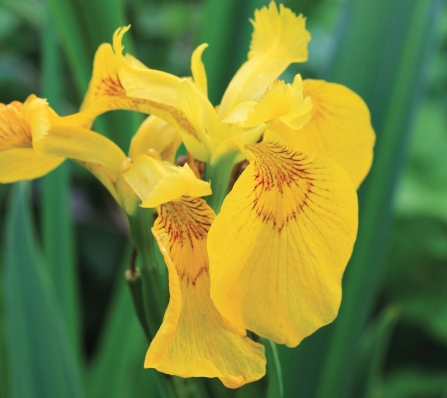
Plantlife abounds at Pulfin, or 'pool fen' as it was names in a 14th century document: the rare marsh fern and marsh pea, common meadow-rue, common valerian, marsh woundwort, marsh orchid, yellow and purple loosestrifes...all grow here.
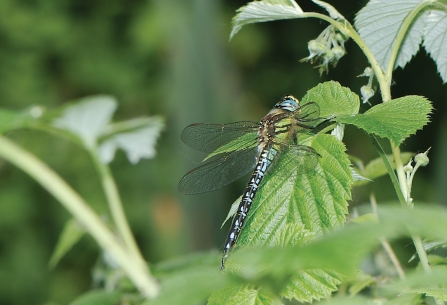
16 species of dragonfly have been seen, with large red damselfly and hairy dragonfly two of the first to emerge in spring.
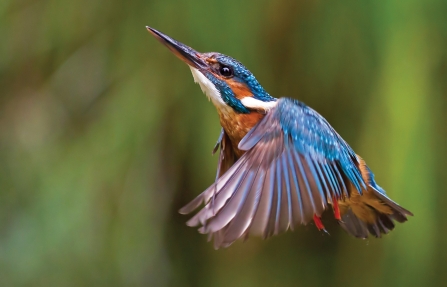
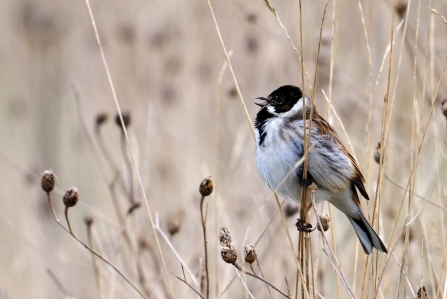
In spring and summer, sedge and reed warblers breed around the pool margins and marsh harriers and hobbies hunt overhead, with kingfishers, water rails and reed buntings throughout the year.
Accessibility and facilities
Mobile phone coverage on the reserve is reasonable depending on your provider.
The nearest public toilets and shops are in Beverley about 15 minutes drive away.
Environmental designation
History
Pulfin Bog is remnant of the extensive fens that once occupied the valley of the River Hull and probably owes its survival to the springs that emerge as pools on the surface. The name Pulfin is believed to be a corruption of “pool fen”, the name given to the site in a 14th Century document. The nature reserve is bounded on three sides by the River Hull and on the fourth side is an old flood bank. When the site was acquired by the Trust a ditch was clearly visible bisecting the site into northern and southern sections. The northern half, dominated by reed sweet-grass, was grazed until 1955.
Directions
Public transport
Buses from Beverley stop in Tickton.
By car
Pulfin Bog lies about two miles north east of Beverley. The nearest parking is at Hull Bridge. From Beverley take the A1035 eastwards and after crossing the River Hull, turn right for Tickton, then right again immediately afterwards.
There is no parking for this reserve. Please park responsibly on Weel Road (A1035) near the footbridge, Tickton Hull Bridge, and walk north along the public footpath for 1.5 miles along the east bank of the river. Turn left along the bank between the lake and the river, then right on reaching a row of trees. The nature reserve starts where the trees end.
///cadet.cookbooks.heave (gates into Pulfin)

© Dave Curtis
Magic Wildlife Moment
Dashing hobbies hunting dragonflies in summer

The autumn colours were even more beautiful when the sun came out
Photo Credit - Telling our Story Volunteer, Sara


