

Fen Carr Nature Reserve - Jim Horsfall
Fen Carr Nature Reserve
Location
OS Map Reference
SE 65740 15492 (Entrance gate)SE 65957 15442 (Parking)
What 3 words: unfolds.formless.racks

Know before you go
Dogs
When to visit
Opening times
The best way to appreciate all it has to offer is on one of our guided walks. Keep an eye out for dates on our website at ywt.org.uk/events otherwise please time visits in sympathy with traditional agricultural schedules. Contact the Trust for detailsBest time to visit
May to SeptemberAbout the reserve
Bountiful botany
Fen Carr is a floodplain meadow packed with plants. Comprising two traditional hay meadows, it was previously owned by the Church of England, which protected it from intensive farming. The land is grazed following a late haycut, and the hedgerows are protected and maintained.
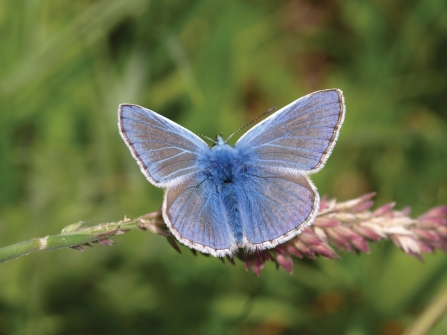
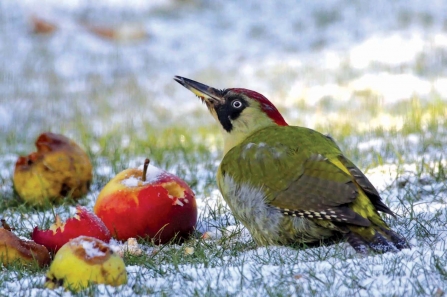
Plants such as sneezewort, sweet vernal grass, great burnet and pepper saxifrage thrive, supporting a healthy population of moths and butterflies, including hairstreaks, browns, blues, coppers, whites and skippers. Look out for green woodpeckers and hear their yaffling call or that of a burbling curlew.
Contact us
1825 Hatfield, Thorne and Fishlake Enclosure Award
Due to the 1825 Hatfield, Thorne and Fishlake Enclosure Award the owner of Fen Carr is required by Parliament to maintain ‘forever’ some of the hedgerows bordering the site.
The Award also decrees that the two little brick bridges at the entrances be maintained, and goes as far as to specify the depths and widths of all the ditches. These ditches are important, as the high water table here supports the wildlife present.
Seasonal highlights
- Spring: Invertebrates - Green hairstreak; Birds - Curlew; Green woodpecker
- Summer: Plants - Pepper saxifrage; Sneezewort; Sweet vernal grass; Invertebrates - Large skipper; Common blue
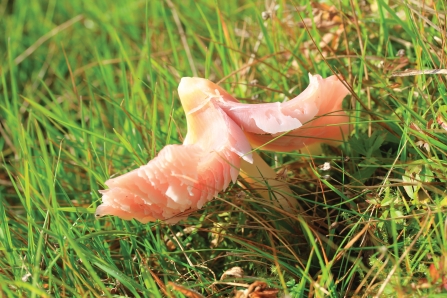
- Autumn: Fungi - Grassland fungi
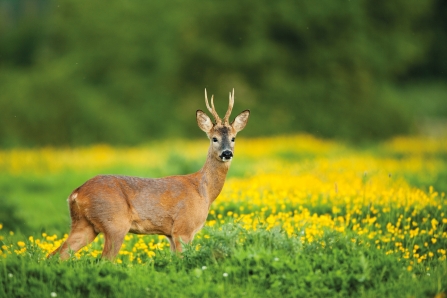
- Winter: Mammals - Roe deer
Directions
Public transport
Train link available to Hatfield and Stainforth railway station from Doncaster railway station. Bus services run from Doncaster town centre.
By car
A mile after the hamlet of Fosterhouses the road turns sharply to the right. On the bend, an unsigned dirt track leads off to the left (Carr Head Lane). Parking is on the lane but with consideration to farm machinery. The nature reserve is about 200m up the lane on the right hand side.

White-letter hairstreak ©John Bridges
Magic Wildlife Moment
Finding butterflies among the wildflowers in summer

The autumn colours were even more beautiful when the sun came out
Photo Credit - Telling our Story Volunteer, Sara


